
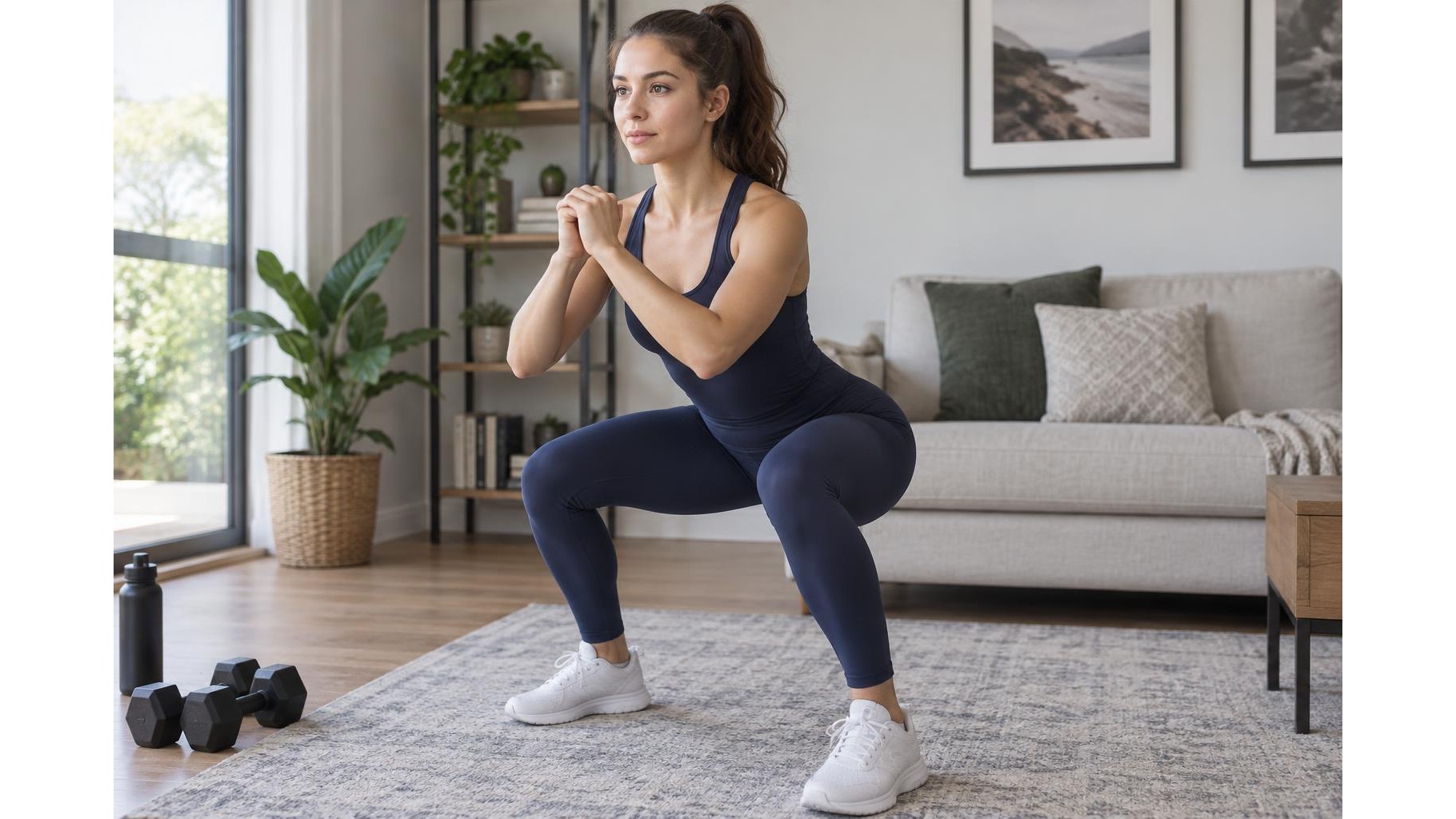
A training bodysuit can make home workouts feel simpler: one piece stays in place through squats, presses and stretches, without a waistband shifting or a top riding up. The right choice depends on more than appearance. Fit, fabric, coverage and practical details all affect comfort and confidence. Use this guide to assess whether a one-piece outfit suits your body, your training style and the way you exercise at home.
Start with a secure, comfortable fit
A supportive bodysuit should feel close to the body without pinching, restricting your breathing or pulling at the shoulders and seams. Check the brand’s size chart and compare it with your measurements rather than relying on your usual size in other clothes. When trying one on, sit, hinge at the hips, raise your arms and perform a few bodyweight squats. The torso should not tug sharply, and the leg openings should remain comfortable. Look for smooth, flat seams and a gusset that sits in place. If the garment digs in, rolls or needs constant adjustment, try another size or cut; compression is useful only when it still allows a full range of motion.
Choose stretch that moves with you
Fabric composition and construction determine how a bodysuit behaves during training. A blend containing elastane or spandex generally offers stretch and recovery, while nylon and polyester are common choices for durable, quick-drying activewear. Read the care label and product details, but also assess the fabric in person if possible: stretch it gently in several directions and see whether it returns to shape. For strength sessions, a fabric with dependable four-way stretch can accommodate deep squats, lunges and overhead reaches. Avoid material that turns sheer when stretched; check this in good light by bending and moving, not just while standing still.
Match coverage to your workout
Coverage is personal, but it should remain reliable through the movements you actually do. A higher neckline and wider straps may feel more secure during floor exercises, while a low back or narrow straps may offer greater ventilation but less coverage. Consider whether the seat and torso stay opaque when you hinge forward or squat. If you prefer extra coverage, choose a longer leg or layer shorts over the bodysuit. For training at home, think about both comfort and temperature: a full-length style may suit a cooler room, whereas a shorter cut can feel less restrictive during energetic sessions.
Assess support and freedom of movement
A bodysuit is not automatically supportive just because it fits snugly. For low-impact strength work, a close-fitting design may provide enough coverage and hold, especially when paired with a suitable sports bra. For jumping, running intervals or other high-impact movements, look for a purpose-built bra with a support level matched to your needs; many bodysuits have limited built-in support. Test the outfit with the exercises you plan to do, including presses, rows, lunges and floor work. Straps should stay put, the neckline should not gape, and the fabric should not restrict your shoulders or hips. Support should come from a stable fit, not uncomfortable compression.
Check closures and bathroom practicality
Closures can determine whether a one-piece is convenient enough for regular use. A front zip may make changing easier, while a back closure can be difficult to reach without assistance. Check that zips are covered or secured so they do not rub during floor exercises. Some designs have a snap gusset, which can make bathroom breaks more practical; others require removing the whole garment. Consider this before buying, especially if you expect to wear the bodysuit for longer sessions. Also check washing instructions and drying time. An easy-care piece that keeps its shape after repeated washing is more likely to earn a place in your workout rotation.
Make the choice that fits your routine
Before settling on a bodysuit, consider how often you will wear it, what movements you practise and which details matter most to you. A simple checklist can help:
- It stays secure without pinching or riding up.
- The fabric stretches, recovers and remains opaque in motion.
- Coverage and bra support suit your exercises.
- Closures and bathroom access feel practical.
- Care instructions fit your routine.
The best supportive training bodysuit is one that lets you focus on training rather than adjusting your clothes. Prioritise a comfortable fit, dependable stretch, appropriate coverage and practical details, then test the garment with movements from your usual home strength session. If support is insufficient for higher-impact exercise, add a well-fitting sports bra or choose another outfit. A considered choice can make one-piece activewear a comfortable, functional option for indoor workouts.









